English
 Spanish
 French
 German
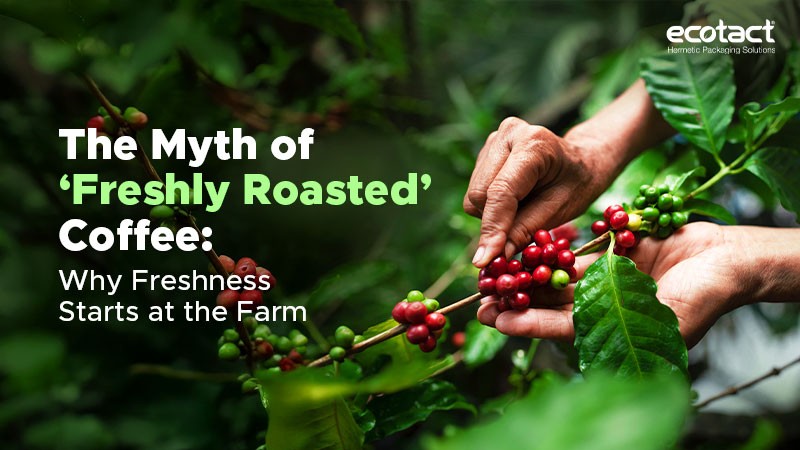
Most coffee lovers are taught to chase freshly roasted bags, assuming that roasting is where freshness begins. But for farmers whose days start before dawn and stretch long into harvest season, there’s a deeper truth: freshness isn’t created at the roastery, it’s protected long before that first crack.
Coffee quality is built through deliberate care, mindful decisions, and often, hard-won experience. From the moment cherries are harvested, every stage of post-harvest handling influences what eventually reaches a roaster’s door and, ultimately, your cup.
1. Fermentation Is Where Flavor Is Shaped
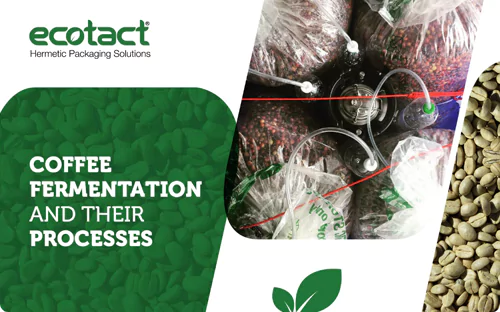
After the cherries are picked, the beans undergo fermentation, a process in which microorganisms break down sugars and mucilage, unlocking distinct flavor precursors. The duration and conditions of this process directly shape sweetness, acidity, and complexity. Too long or uncontrolled, and undesirable flavors can take over; done well, and the beans carry clarity and balance. This delicate balance comes from a farmer’s intuition, observation, and patience. Proper fermentation isn’t just procedural; it’s crafted.
This is where precision matters. Using hermetically sealed, food-safe Ecotact bags, farmers can create stable fermentation conditions that protect the coffee from external contamination, moisture loss, and unwanted oxygen ingress, while still allowing controlled off-gassing through valves.
2. Drying Is Where Aroma Is Preserved, and Moisture Is Removed
Drying is more than removing water. It’s about hitting the right balance, reducing moisture enough to prevent spoilage while preserving the volatile compounds that make coffee aromatic. Poor drying can lead to over-drying or mold, both of which dull the flavor. The way beans dry, whether on raised beds or in mechanical systems, can directly affect sensory quality and cupping scores. Farmers know this instinctively: a few cloudy days, a sudden rain, or uneven airflow can make all the difference between a specialty-grade lot and one that struggles to score well at cupping.
3. Storage Is Protecting Months of Effort Begins
Once dried, coffee must be stored before processing, shipment, or sale. Yet simple storage mistakes, humidity swings, heat, and oxygen exposure can quietly erode freshness, sometimes faster than you’d expect. Research shows that packaging and storage conditions significantly influence sensory and chemical qualities over time. High-barrier packaging systems help maintain moisture, aroma, and physical properties, preserving quality even many months after harvest. For farmers with limited access to climate-controlled facilities, this stage is a real vulnerability. Coffee can deteriorate not because it was poorly grown, but because it was poorly protected.
4. Roasting Is Where The Quality Comes Through
Roasting transforms green beans into the familiar brown we know, but it doesn’t create quality; it reveals it. If flaws exist from earlier stages, roasting can’t erase them. In many cases, the time between harvest and roast matters just as much or more than the time between roast and brew. Studies show that coffee stored improperly ages faster and loses aroma, even before the roaster opens the bag. Green coffee quality isn’t static; it evolves. Environmental conditions, storage practices, and exposure to oxygen all influence how the beans age over time. When temperatures are too high or moisture isn’t managed, chemical changes accelerate, dulling the vibrant character farmers worked to produce.
What does this mean for farmers?
* For farmers, preserving freshness isn’t a catchy tagline; it’s their livelihood.
* Freshness affects cup quality, which affects market demand.
* Better post-harvest care leads to higher premiums and fairer prices.
* Protecting beans early means less loss, less waste, and higher consistency.
This reality reframes our thinking: freshness doesn’t start on roasting day. It has been building since the cherry was picked. Each careful decision along the way - from fermentation tanks and drying beds to good storage practices and high-barrier packaging - contributes to what eventually lands on the roaster’s scale.
This is where Ecotact comes in.
Ecotact specializes in high-barrier, 9-layer hermetic packaging, engineered specifically to protect sensitive commodities like coffee. Think of it as a vault for your beans, one that safeguards their natural integrity from farm to roastery, without interference.
Ecotact’s hermetic packaging solutions are food-safe, recyclable, and field-tested across climates, trusted by producers, processors, and exporters worldwide who understand that protecting quality is not optional, it’s strategic.
Wrapping Up
So, the next time you reach for a bag marked “freshly roasted,” remember this: Roasting doesn’t create freshness. It celebrates it.
Freshness begins on the farm, in the hands of people who respect the bean’s journey from fruit to cup. They safeguard the flavors, aromas, and stories that deserve to be tasted, not lost.
Freshness isn’t a date on a bag. It’s a lifetime of care before that bean even meets heat.